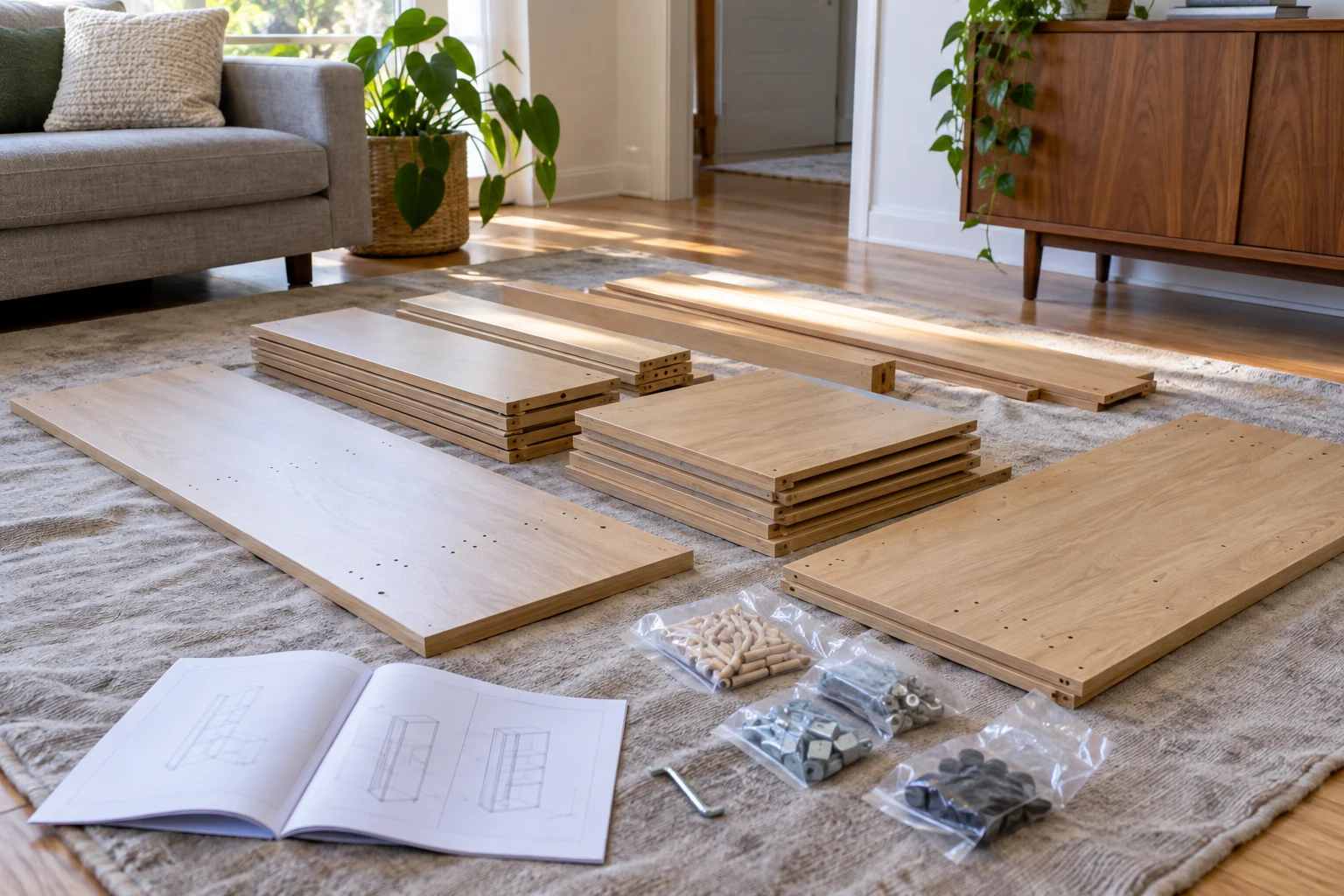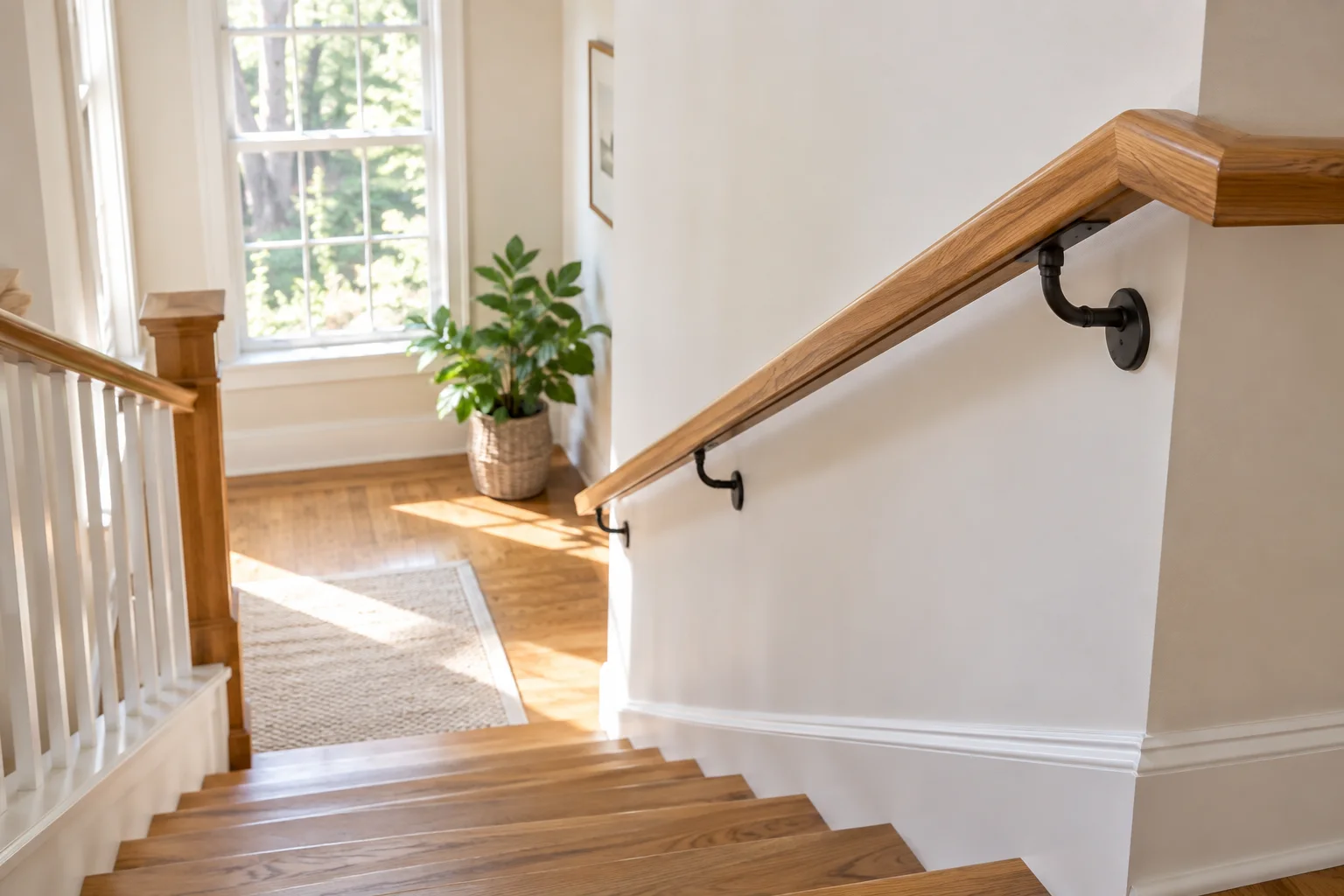
Helping an older relative with home repairs can begin with a generous impulse and still become frustrating if the project is planned around everyone except the person who lives there. A loose handle may bother a visiting family member less than a cupboard that is difficult to reach every morning. A room that looks cluttered to one person may contain a carefully learned routine for another.
The most useful repair plan starts with a conversation, respects the resident's decisions and brings in appropriate expertise where needs go beyond ordinary maintenance. It should make daily life easier without taking over the home. Clear responsibilities, a manageable appointment and an understandable handover matter as much as the list of things being repaired.
Ask what would improve an ordinary day
Begin with open questions about daily tasks. Which door is awkward? What is difficult to put away? Is there a particular movement or room that causes concern? Let the resident describe the experience before proposing products or rearrangements. Their priorities may be different from the ones you notice during a short visit.
Walk through the relevant routine only if the person is comfortable doing so and without asking them to demonstrate anything unsafe. A verbal description can be enough. The aim is to understand the problem, not to test their ability or turn the visit into an inspection they did not request.
Write the resident's own desired result beside each task. They may want a bedroom door to close quietly, a favourite lamp to be easier to reach or a frequently used shelf to be more convenient. These outcomes provide a better brief than a family member's list of generic upgrades.
Include preferences that might otherwise be dismissed as decorative. Familiar hardware, a treasured cabinet or a particular room arrangement can matter to comfort and identity. A practical repair should work with those preferences where possible, rather than treating the home as an empty space to optimize.
Separate maintenance from individual support needs
Ordinary repairs can address a loose handle, a damaged screen or a sticking drawer. Changes intended to support mobility, balance or recovery may require individualized advice. Do not ask a general repair provider to decide what assistive arrangement a person needs solely from a family description.
An occupational therapist or another appropriate health professional can help assess functional needs where relevant. The installer then needs to determine how a suitable product can be fitted to the actual building. Keeping those roles distinct helps prevent a convenient installation position from becoming an unexamined recommendation for the user.
The Public Health Agency of Canada's current falls guidance describes several contributing factors, including walking surfaces, obstacles and individual health factors. That supports a broader assessment when needed. A few repairs can be valuable, but they should not be presented as a guarantee that all fall risk has been removed.
If there is an immediate safety, access or health concern, seek appropriate prompt help. Do not postpone it simply to create a more economical bundle of household tasks. The routine repair plan can continue after urgent needs are addressed through the right channels.
Agree who decides and who communicates
Confirm the resident's consent to the proposed work and their preferred involvement. Being a helpful relative does not automatically make you the decision maker for their home. Where someone has formal authority to act, clarify that arrangement appropriately rather than leaving the contractor to infer it.
Choose one contact person for scheduling and practical questions, with the resident's agreement. That person can gather documents and coordinate access while still returning meaningful choices to the resident. Clear communication prevents several relatives from giving the provider conflicting instructions.
Record who can approve a change in scope or spending. If the provider discovers a damaged component, they should know whom to contact and when work should pause. A rushed call to whoever happens to answer can create an avoidable disagreement later.
Keep personal information limited to what the work requires. A provider may need to know about access, communication preferences or room availability, but not a detailed medical history. Share relevant functional information respectfully and with the person's agreement wherever possible.
Build a small first phase
A long list can feel overwhelming, especially if the resident has lived with the issues for some time. Choose a few high-value tasks that are ready to proceed. Completing a manageable phase can be easier to understand and less disruptive than turning every observation into an immediate project.
Group tasks by the benefit they provide. A working bedroom door, an accessible everyday cupboard and a repaired entrance latch may make a meaningful difference. Cosmetic improvements can be included if the resident values them, but should not displace a practical priority without discussion.
Distinguish tasks that are ready from those needing assessment. A delivered compatible handle is different from an unresolved bathroom support proposal. An assessment can be part of the first phase, but describe it honestly as information gathering rather than a promised completed installation.
Give deferred items a place on a later list. This reassures the household that they have not been forgotten while keeping the appointment realistic. Add the reason for deferral, such as product choice, permission or specialist advice, and identify who will take the next step.
Respect familiar routes and belongings
Discuss changes to furniture and storage before moving anything. A familiar arrangement may support the person's routine even if it looks inefficient to a visitor. If a change is needed, explain the purpose and agree where items will go. Avoid surprising the resident with a reorganized room after the repair.
Keep frequently used belongings accessible during the work. Glasses, communication devices, mobility equipment and everyday supplies should not disappear into a box labelled miscellaneous. Ask the resident which items they need nearby and establish a temporary location together.
Plan a usable route through the home while equipment and packaging are present. The repair provider should know which rooms and paths must remain available. A project intended to improve convenience should not create an unplanned obstacle course for the duration of the appointment.
The Safe Living Guide from the Public Health Agency of Canada includes attention to clear routes, lighting and household accessibility. Use it as a conversation aid, while recognizing that individual circumstances still matter. A checklist should support the resident's priorities rather than replace their judgement.
Choose products for operation as well as appearance
When replacing a handle, latch or storage accessory, consider how the resident will use it. Grip, reach and required movement may matter more than a fashionable finish. Ask for samples or a clear demonstration where practical before ordering a full set of components.
Do not assume a product marketed as helpful suits every person. A new control can be unfamiliar, and an app-based feature may add steps rather than remove them. Discuss whether the resident wants the feature and how they would use it on an ordinary day.
For safety related supports, use purpose-built products and appropriate assessment. The grab bar and handrail guide explains why functional placement and supporting construction need to be considered together. A towel rail or convenient fixture should not be treated as an equivalent substitute.
Retain manufacturer instructions and record the exact model. If the resident prefers paper information, provide a clearly labelled copy. A product that is easy for you to look up online may be less convenient for them, and the handover should match their preferred way of keeping information.
Plan the visit around the resident's day
Ask what time of day works best and how long a visit feels manageable. Meals, rest, care appointments and other routines should be considered before confirming a slot. Do not promise a tightly constrained window without checking that the provider can complete the proposed stages within it.
Explain what the appointment will involve. The resident should know who is coming, what rooms will be used and whether anything will be temporarily unavailable. If a different person will attend, communicate that change rather than letting an unfamiliar arrival create concern.
Discuss noise, dust and product use according to the actual work plan. Ask the provider how the area will be protected and when normal use can resume. If the resident needs another place to sit or spend time, arrange it before the work starts.
Consider having a trusted person present if the resident wants that support. Their role can be to help with communication and records, not to answer every question on the resident's behalf. The provider should still address the person who lives in the home respectfully and directly.
Confirm permissions and professional boundaries
In a rental or condominium, find out which repairs are the owner's or building's responsibility and which changes need approval. Do not pay for an alteration before understanding that arrangement. Keep written permissions available for the provider where needed.
For electrical, gas, structural or other specialized work, use the appropriate professional. The desire to simplify appointments does not make one general provider suitable for every task. A coordinated plan can still involve more than one trade when the work requires it.
Ask about relevant experience, insurance and the proposed method of assessing uncertain conditions. The provider should explain limitations clearly. A confident promise to handle everything is less useful than a precise account of what they can appropriately undertake and what needs referral.
If old materials may be disturbed, share the home's history and any assessment records. Do not assume a narrow repair is exempt from material questions. The provider should consider the actual proposed disturbance before routine preparation begins.
Give the provider one clear brief
A concise brief can protect both the resident's preferences and the appointment. Include photographs and exact product information where relevant, while leaving out unnecessary personal details. Explain which tasks are priorities and which require assessment only.
Useful points include:
- The resident's desired result for each task.
- Who consents, schedules, pays and authorizes changes.
- Relevant product details and professional recommendations.
- Access needs, room availability and preferred communication.
- Building permissions and known material or condition concerns.
- The plan for demonstrations, instructions and follow-up.
Review the brief with the resident before sending it. They may correct an assumption or identify something you missed. That small review is often more useful than adding another photograph. It also reinforces that the plan belongs to the person living with the result.
If family members are contributing, share the same current version. Avoid parallel lists that grow independently through text messages. One agreed scope helps everyone understand what the provider is being asked to do and what remains for another time.
Make handover a calm conversation
Ask the provider to demonstrate normal use at a comfortable pace. Let the resident try ordinary operation where appropriate, without asking them to perform an unsafe movement or improvised strength test. For assistive supports, follow any relevant professional guidance on use.
Confirm what is ready and what must wait for drying, curing or another stage. Write the restrictions plainly and place them where they will be noticed if the resident prefers. A verbal explanation given while several people are talking can be easy to miss.
Keep a short record of completed work, product models and any remaining concerns. Provide contact information for follow-up in a form the resident can use. If you retain a digital copy, make sure they know where the information is and how to reach you if needed.
Arrange a later check-in about ordinary use. Ask whether the repair made the intended task easier and whether anything unexpected has appeared. The resident may notice an issue only after using the room in their normal routine. That feedback is more informative than judging the whole project from its appearance on the day.
The handyman visit planning guide helps organize the broader list, while the storage planning guide can support practical changes around belongings. Cody's handyman service remains a waitlist while a partner is recruited. Seek appropriate available help for immediate needs. The strongest repair plan respects the resident's choices, uses the right expertise and leaves them more comfortable in a home that still feels like their own.