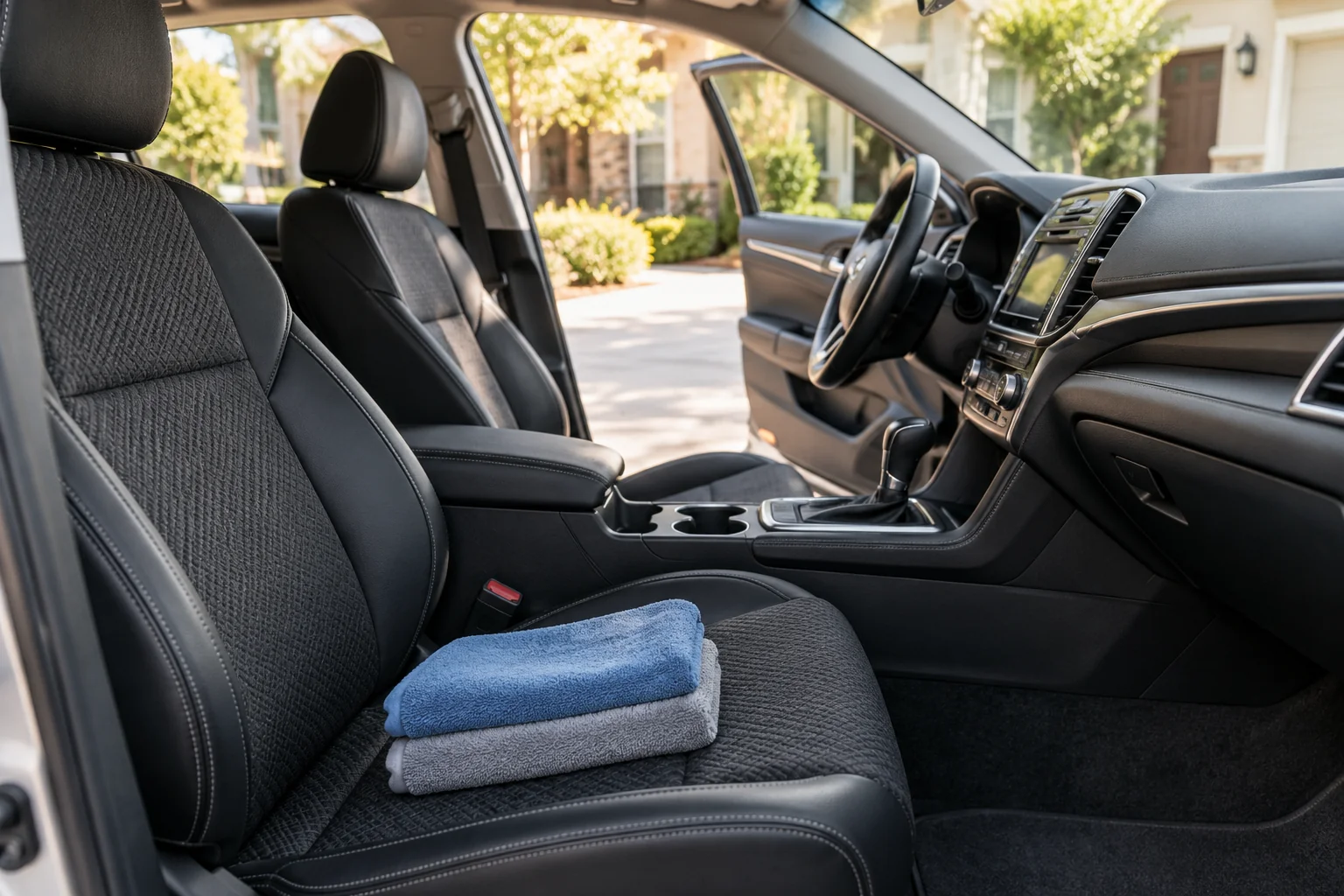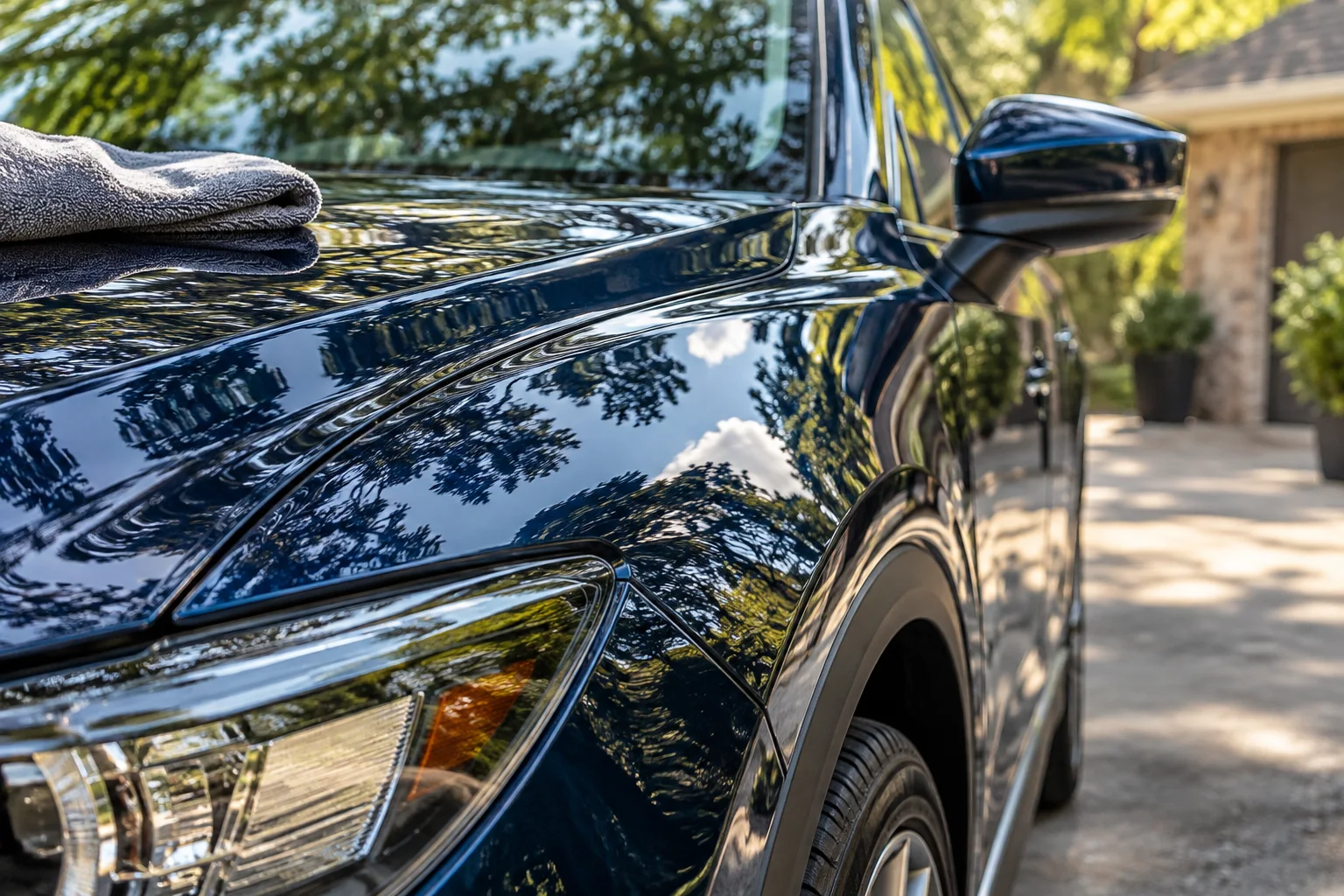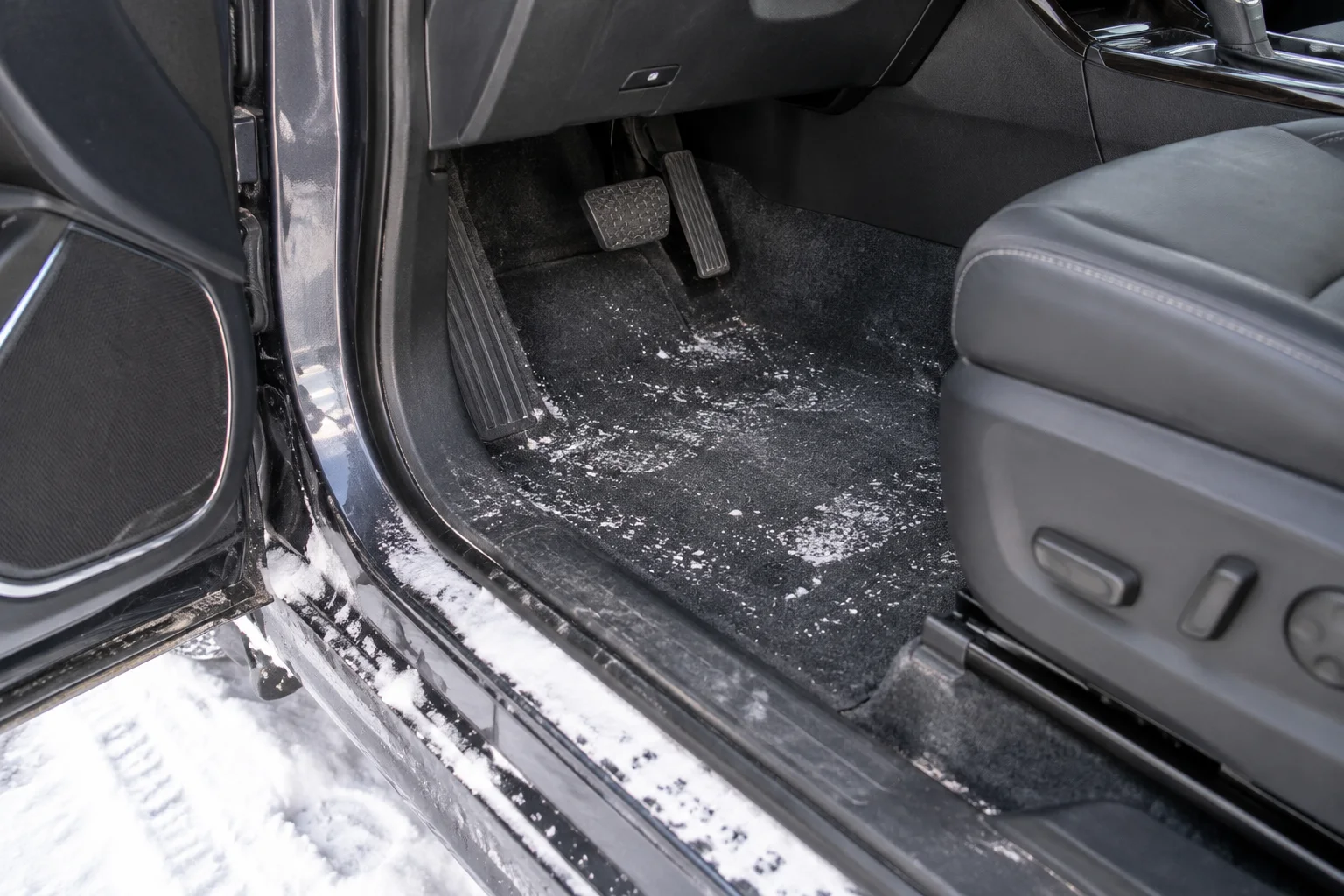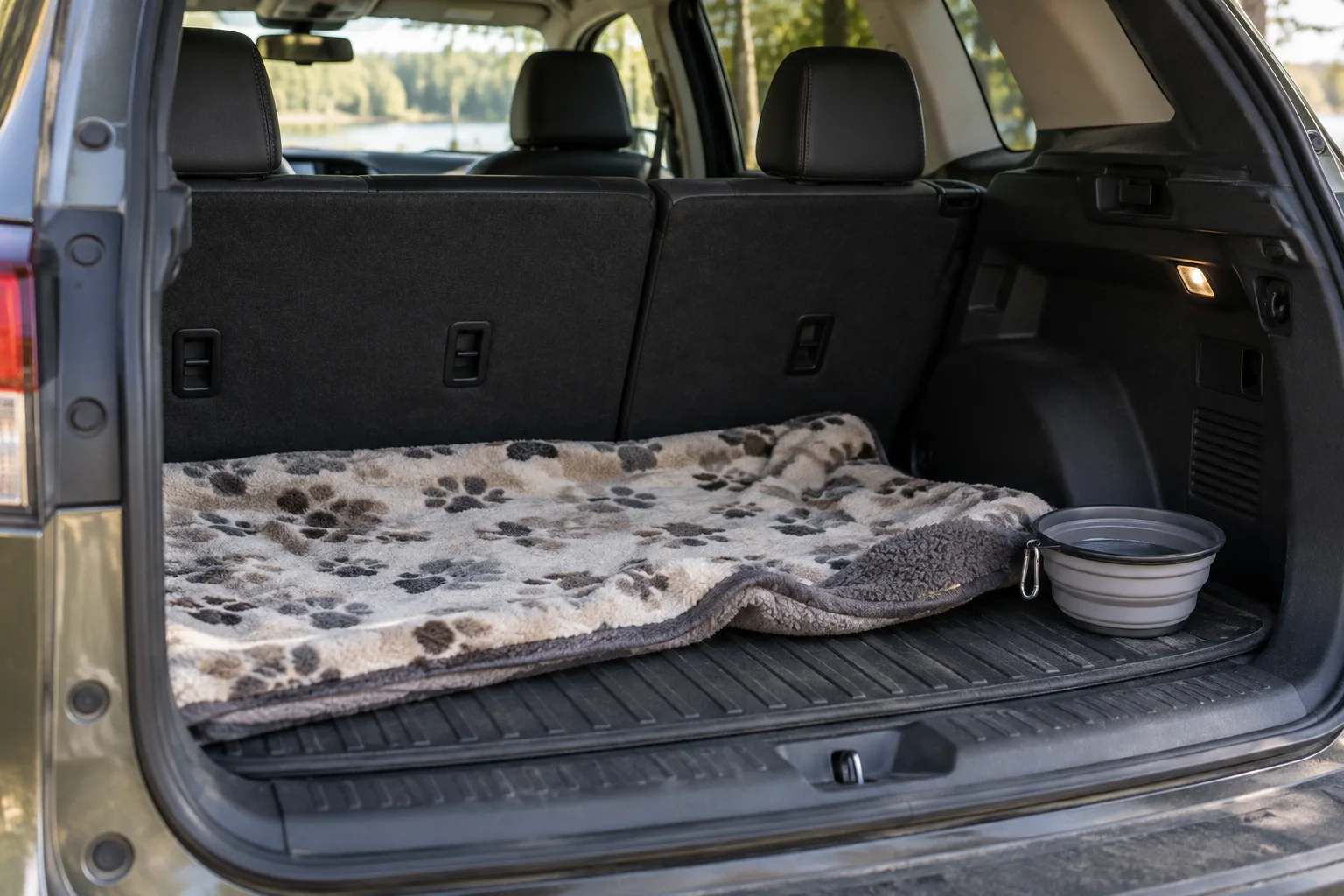
A household with more than one vehicle can have more flexibility and more coordination to manage. One car may carry children and groceries, another may handle a long commute, and a third may be used only occasionally. Their cleaning needs, parking arrangements and availability are unlikely to match exactly.
A useful detailing plan recognises those differences. It gives each vehicle an appropriate scope while making the appointments fit the household's transport needs. You do not need to put every car on the same package or schedule. You need a clear view of condition, priorities and which vehicle must remain usable at each point in the day.
Give each vehicle its own short profile
Start with the make, model, seating layout and ordinary use of each car. Note where it is parked, who drives it and which areas need attention. A few lines per vehicle are enough to reveal differences that a household-wide request might hide.
For example, the family vehicle may need rear-seat and cargo attention, while the commuter mainly needs the driver's area and glass. An occasional-use car may have relatively little cabin debris but a concern related to where it has been stored.
Keep the descriptions factual. Do not assume the newest vehicle needs the least attention or that the oldest deserves the smallest scope. Choose according to condition and use. The provider can recommend more sensibly when each car is presented as an actual job rather than one item in a matching set.
Ask every regular driver what they notice
Different drivers experience different parts of a vehicle. One may be bothered by a sticky console, another by pet hair in the rear, and a passenger by a mark on the window. Collect those observations before choosing the scope.
Agree on priorities within the household. You do not have to satisfy every minor preference in one visit, but it helps to know where expectations differ. A service that seems successful to the person who booked it can disappoint another driver if their main concern was never mentioned.
Send the provider one coordinated request rather than several conflicting descriptions. Identify the highest priorities for each vehicle and any shared preferences, such as minimal fragrance. This makes the appointment easier to plan and gives everyone a common reference when reviewing the result.
Separate the vehicles by need, not by fairness
It can feel natural to buy the same level of service for every car so the arrangement seems even. That may not be the most useful choice. Equal spending is not the same as appropriate care when the vehicles have different materials, condition and use.
One car may need targeted textile work, another a routine refresh and another no professional cleaning yet. Discuss those differences openly rather than forcing every vehicle into the same package. The goal is a household that works comfortably, not identical invoices.
The interior cleaning levels guide can help organise the choice. Use it as a way to identify concerns rather than as a ladder every vehicle must climb. A modest scope is reasonable when it addresses the actual need.
Keep material information vehicle-specific
Do not transfer a care routine from one car to another simply because the interiors look similar. Seats, films, coatings and displays can have different requirements. Record the relevant materials and any modifications for each vehicle separately.
Toyota Canada's owner information identifies SofTex as a synthetic upholstery option. That example is useful in a mixed household because a smooth seat in one car may not be the same material as a similar-looking seat in another. The correct manual and product guidance should follow the vehicle.
Share known repairs, wraps or treatments with the provider. If one car has a coating and another does not, say so. Accurate information helps prevent a convenient household arrangement from encouraging the assumption that every surface can receive the same products and methods.
Decide which vehicle must stay available
List the unavoidable journeys on the proposed day. Work, school, appointments and passenger capacity can all affect which vehicle is genuinely interchangeable with another. A small second car may not replace a larger family vehicle for every trip.
Identify the minimum transport arrangement you need while work is happening and during any aftercare period. If one vehicle contains required child restraints or mobility equipment, account for that explicitly. Moving such equipment may involve instructions and preparation of its own.
Give the provider the relevant deadlines rather than simply asking for all cars to be finished quickly. A clear sequence can make the day workable. An unrealistic expectation that every vehicle remains available at every moment cannot be solved by a better cleaning product.
Ask whether one day or several dates makes sense
A combined appointment can be convenient if the provider offers it and the site supports the work. It may also create a day when too much transport is unavailable at once. Ask about the practical options without assuming there is a discount or that multiple vehicles can be completed within a particular time.
Separate dates may be easier when one vehicle needs more involved work or different conditions. They can also spread household preparation so you are not emptying every car at the same time. The choice should reflect the actual scopes and schedule.
If you prefer one visit, ask the provider to confirm the sequence, estimated timing and what could change it. Treat those details as part of the booking arrangement. Convenience comes from a realistic plan, not merely putting several vehicle names on the same calendar entry.
Plan parking as a sequence
Draw a simple mental picture of the driveway or shared parking area. Which car needs to move first? Can the provider work around the selected vehicle? Will another driver need to leave while the appointment is underway?
Explain the layout and any restrictions before booking. A parked car that blocks access can disrupt the whole sequence, especially if its driver has left with the keys. Agree where each vehicle should be and who can move it if needed.
For shared or managed property, confirm the relevant permissions. The fact that you have several assigned spaces does not automatically make them suitable for every mobile service. The mobile appointment guide offers useful questions about access and site requirements.
Empty cars without mixing belongings
Use separate containers or designated places for the contents of each vehicle. Label them if needed. This prevents the end of the appointment becoming a puzzle about which charger, mat or accessory belongs where.
Remove valuables, documents and personal items yourself. If a driver cannot be present, ask them to clear their own belongings beforehand or agree exactly what another household member may handle. A detailer should not be responsible for deciding ownership or importance.
Keep items intended for disposal separate from those returning to the cars. Household-wide preparation can otherwise create one large pile that simply migrates back into whichever vehicle is nearest. The point of the reset is to make each cabin useful, not redistribute the same clutter across the driveway.
Handle mats and accessories carefully
Mats, cargo liners and covers can look deceptively similar when removed from several vehicles. Keep each set together and follow the relevant fit and installation instructions when returning it. Do not assume a mat is suitable because it appears to fit most of the floor.
If child restraints or pet equipment are involved, plan their removal, cleaning and correct reinstallation separately. Those products have their own instructions and may not be part of the detailing service. Decide who is responsible before the appointment begins.
Ask when accessories can be replaced after wet cleaning. A vehicle that is visually finished may still have an area requiring more drying time. Keeping each car's accessories organised helps you follow those instructions without losing track of which surface is ready.
Account for different drying needs
One vehicle may receive only suitable surface cleaning while another has textile work. Their ready-to-use times may differ. Ask the provider about each car rather than assuming a single finishing time covers the entire household.
The drying-time guide explains why active work and normal-use readiness should be discussed separately. Give the provider the real schedule and parking arrangements so they can recommend a practical sequence.
If the next journey depends on a particular vehicle, make that priority explicit. It may influence which car is worked on first or whether the proposed scope should be moved to another day. Planning this before the appointment is easier than discovering late in the afternoon that the only vehicle with enough seats is not ready.
Set one communication plan
Choose a main contact for the appointment and make sure that person knows each vehicle's priorities. They should be able to answer ordinary access questions and understand how any scope change will be approved. This avoids the provider receiving inconsistent instructions from several people.
The main contact does not need authority to approve unlimited work. Agree on the boundaries within the household and tell the provider how to handle anything outside them. If a particular driver must decide about their vehicle, make that clear and keep them reachable.
Keep a short written list of the selected services. It can be as simple as one paragraph per car. The list becomes useful at handover because you can review each job on its own terms instead of trying to remember which optional work was assigned to which vehicle.
Compare quotes on a per-vehicle basis
Even if the provider gives a combined total, ask for enough detail to understand the scope for each car. This helps you decide whether to change one vehicle's service without losing track of the rest of the plan.
Do not assume multi-car booking automatically carries a lower rate. Ask about the actual offer and any conditions. A discount, if available, is useful only when the services and timing still fit your needs.
The detailing quote guide can help you compare inclusions, exclusions and potential changes. For a household, that clarity is particularly valuable because a vague total can conceal several different expectations across several vehicles.
Build routines around each vehicle's role
After the reset, choose small habits that reflect how each car is used. The family vehicle may benefit from a regular rear-seat clear-out. The commuter may need a routine for lunch items. The occasional-use vehicle may need periodic observation and appropriate storage care.
Avoid requiring every driver to follow an identical checklist if the tasks are not relevant. Agree on a shared baseline, such as removing personal rubbish, then add vehicle-specific habits where useful. The small habits guide offers a practical starting point.
Review the arrangement when the household changes. A different job, a new driver or a shift in school transport can change which car accumulates the most mess. The care plan should adapt rather than preserve an old division of effort simply because it once worked.
Review each result before returning its contents
Inspect one vehicle at a time with its agreed scope in hand. Look at the priority areas, ask about remaining marks and confirm aftercare. This is easier while the surfaces are still visible and the belongings remain in their separate containers.
Then return only what belongs in that vehicle and what the provider says can appropriately go back. Keep any items needing their own care out until they are ready. A disciplined handover prevents the newly cleaned cars from being refilled in a hurry with mixed, unaddressed contents.
Save a brief record for each vehicle: the date, work performed and any products or unresolved concerns worth remembering. Separate records make the next booking more accurate and avoid describing every car as having received the same service when the actual work differed.
Revisit the plan after a vehicle changes roles
When a household buys, sells or reassigns a vehicle, review the detailing arrangement as well. The former commuter might become the main family car, while a newly purchased vehicle may arrive with an unknown treatment history. Do not simply transfer the old schedule without looking at the new circumstances.
Update the material notes, storage locations and driver priorities. Check that mats and accessories remain with the correct vehicle and that everyone knows which records apply. This small review prevents yesterday's convenient arrangement from becoming today's confusing one. The household plan should follow the actual cars and journeys, not remain fixed because it once fit a different combination.
Make the household request clear
For current availability, visit Cody Mobile auto detailing. Booking is available in Ottawa and the surrounding service area; other areas are on the waitlist. Ask whether the provider can accommodate the number of vehicles, location and proposed sequence without assuming a package or discount.
Include each car's details, condition photographs, priorities and essential next-use time. Explain the parking arrangement and identify the main contact. That gives the provider the information needed to propose a workable appointment rather than a generic multi-car promise.
A well-planned household detail does not require every vehicle to receive identical care on the same day. It requires the right work for each car and a sequence that keeps the household moving. With those decisions made, several vehicles can become easier to manage rather than several competing cleaning projects.