A freshly cleaned seat can look ready before the vehicle is ready for ordinary life. The fabric may appear tidy while the owner is already thinking about school pickup, groceries or tomorrow's commute. Drying time is easy to treat as an inconvenient footnote, yet it belongs in the booking conversation from the beginning.
The practical question is not how quickly every car dries. It is what the proposed method means for your vehicle, the conditions on the day and the next time you need to use it. A good plan connects those details before work starts. That allows the detailer to choose an appropriate scope and gives you a realistic way to manage the hours after the cleaning stage.
Distinguish appointment time from ready-to-use time
When a provider estimates the length of a detail, ask what that estimate includes. Does it describe active work, the expected handover or the point at which cleaned textiles can be used and covered again? Those may be different moments, depending on the service.
State your actual deadline in ordinary language. You might need the driver's seat for an evening shift or all three rows for a family trip the next morning. A vague request to finish early does not provide the same useful information. The provider needs to know what normal use will involve.
Ask for a practical recommendation rather than a universal number. If the proposed scope cannot comfortably fit the deadline, discuss a different date or a different level of cleaning. Adjusting the plan before the appointment is easier than trying to accelerate an unsuitable schedule once the seats have already been cleaned.
Understand the method being proposed
The term steam cleaning is sometimes used loosely in everyday conversation. Ask what the provider actually plans to do. A method involving liquid application and extraction is different from one using steam, and neither description alone tells you that it is suitable for every automotive material.
BISSELL's manufacturer guidance distinguishes carpet extraction from true steam cleaning and notes that drying depends on the material, underlying construction and technique. Its household carpet estimate should not be turned into a guaranteed timetable for a vehicle seat. The useful principle is that the process and the material both matter.
You do not need to ask for a detailed equipment demonstration. A plain explanation of which surfaces will be wet-cleaned, how moisture is managed and what drying arrangements are expected is enough to improve the booking decision. If the method remains unclear, keep asking until you understand the implications for using the car afterwards.
Different areas can be ready at different times
A vehicle contains more than one textile construction. Removable mats, fitted carpet, seat surfaces and other upholstered areas may not respond identically. Ask the provider which parts of the agreed service are most likely to affect your schedule.
This matters when you need only part of the vehicle. A driver may assume that a usable front seat means the whole cabin is ready for luggage, seat covers and passengers. The provider should explain whether any areas need further time or separate attention before they are covered again.
At handover, discuss the actual condition of the surfaces rather than relying only on the original estimate. An estimate is a planning tool, not a substitute for reviewing the vehicle. If conditions differ from what was expected, a clear explanation helps you make the next decision sensibly.
Put the weather into the conversation
Tell the provider where the vehicle will be parked during and after the appointment. Outdoor conditions, available shelter and secure ventilation are practical parts of the plan. A sunny driveway, a damp autumn afternoon and a winter parking arrangement should not be treated as interchangeable settings.
Ask what the provider can support at your location and what you will be expected to do afterwards. The answer may affect whether the work should proceed as planned, be limited or be rescheduled. That is ordinary service planning, not a sign that the job has become unnecessarily complicated.
Avoid adopting a drying suggestion from a different situation without checking. Leaving a vehicle open may be inappropriate because of weather, security or the parking environment. Any aftercare arrangement must fit the actual place where the car will be left, as well as the vehicle's own instructions.
Remove accessories from the drying equation
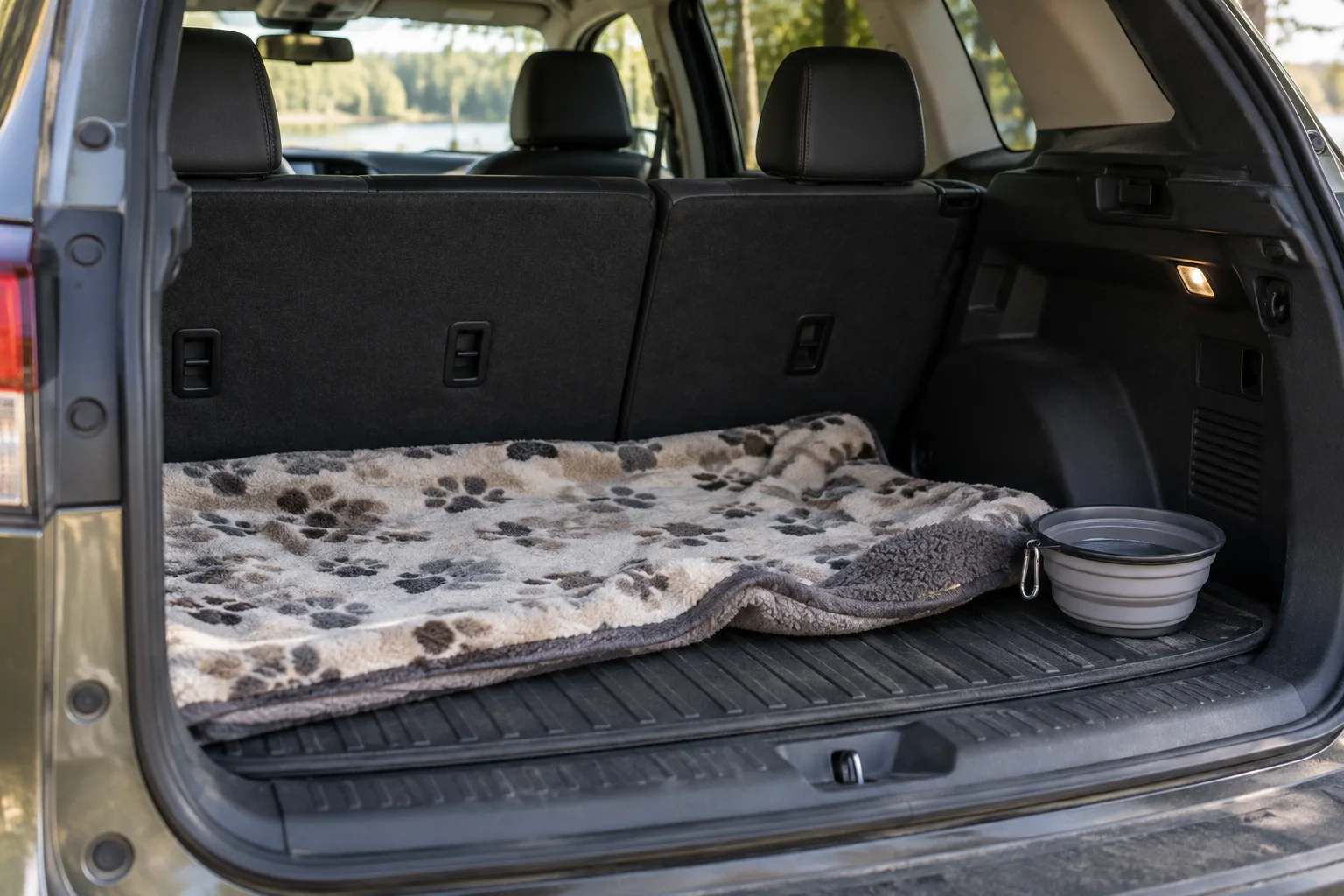
Before the service, identify items that cover the areas being cleaned: floor liners, blankets, pet covers, cushions or cargo accessories. Ask when they should be returned and whether they need separate cleaning. Their condition can affect how sensible it is to reinstall them immediately.
Follow the vehicle and accessory instructions for removal and replacement. Child restraints are a separate responsibility and require their own care and correct installation. Decide who will manage them before the appointment rather than treating them as ordinary loose upholstery.
Keep cleaned accessories separate from items still waiting for attention. This simple organisation step prevents a dry, clean mat being mixed with a damp blanket or a dirty cover. It also makes the handover easier because you can see which vehicle surfaces remain uncovered for inspection and any continued drying.
Do not improvise a heater inside the cabin
If drying needs more time, contact the provider for instructions suited to the service and location. Avoid placing household heating equipment in the vehicle or using an improvised arrangement because it seems faster. The cabin is not a general-purpose drying room.
The vehicle manual may also restrict how particular materials should be dried. Tesla's seat-care guidance, for example, says not to blow-dry its specified upholstery. This is a useful reminder that heat is not automatically an appropriate answer to moisture on every surface.
Never rely on an unattended running vehicle in an enclosed space as a drying method. Keep the plan within the vehicle's operating instructions and the provider's appropriate aftercare guidance. If the available setting cannot support the proposed work comfortably, rescheduling is a better planning decision than improvising after the fact.
Ask what you should check at handover
Have the provider explain which surfaces are ready for ordinary use and which need further time. Ask how they recommend checking the areas in question and what signs should prompt a follow-up call. A vague instruction to let it dry is less helpful than a clear explanation connected to the actual vehicle.
Look at the seats, footwells and removable mats that were included in the service. Make sure you understand any difference between them. If a seat feels cool or an area seems damp, ask directly rather than assuming that appearance alone settles the question.
Write down the instructions if the appointment has been busy or you are handing the vehicle to another household member. The person who drives later may not have heard the conversation. A short shared note avoids conflicting assumptions about when covers can return or which areas still need attention.
Keep persistent dampness separate from normal aftercare
Tell the provider if the vehicle was already damp before cleaning. Include when you noticed it, where it occurs and whether it returns after rain or ordinary use. That history helps prevent a pre-existing problem from being confused with the expected aftercare of the appointment.
If an area remains wet unexpectedly or repeatedly becomes wet again, seek an appropriate assessment rather than scheduling more cleaning automatically. The cause may lie outside the detailer's scope. You do not need to dismantle the interior to gather useful information; simple observations and dates can help the next professional.
An unexplained odour also deserves a factual description. Note whether it was present before the appointment and whether it changes after the car is closed. This is more useful than deciding on your own that every smell has the same cause or can be fixed by adding fragrance.
Decide whether a smaller scope fits better
Sometimes the problem is the timetable rather than the provider. If the car is needed almost continuously, an extensive wet-cleaning appointment may be difficult to arrange. Ask whether another appropriate scope can address the immediate concern while leaving more involved work for a better date.
For example, clearing loose debris and addressing suitable hard surfaces may improve the cabin while you organise a later textile appointment. Whether that option is available and worthwhile depends on the actual vehicle and service. It should be a deliberate choice, not an unspoken compromise after the work has begun.
The interior cleaning levels guide can help frame that conversation. More extensive cleaning is not always the best choice on every day. The best scope is one that suits the condition, material and realistic opportunity to complete the whole process, including aftercare.
Build drying into trips and seasonal changes
Before a road trip, sale viewing or return to a busy school schedule, work backwards from the first unavoidable use. Leave room for inspection and any follow-up question. A little flexibility can prevent a minor timing uncertainty from becoming a major household disruption.
The same planning applies when changing seasonal mats or loading stored equipment. Wait for the provider's guidance before covering a newly cleaned carpeted area with a heavy liner or filling the boot with bags. Packing can make a surface inaccessible just when you need to keep an eye on it.
If the appointment is weather-dependent, ask how changes are communicated and what the rescheduling process involves. Knowing the arrangement in advance makes it easier to adapt calmly. The goal is not to predict the weather perfectly; it is to avoid building a schedule with no room for the conditions that affect the work.
Ask for a clear follow-up route
Before the provider leaves, confirm how to raise a concern if an area seems unexpectedly damp later. Describe the location, elapsed time and any changes in conditions when you contact them. Photographs may help show the area, though they cannot by themselves establish how much moisture remains.
Follow the advice you receive and avoid adding products or taking apart the interior while waiting for a response. That can complicate the assessment and create a new problem. If an issue appears to require vehicle repair rather than detailing, ask for the appropriate next step.
Keep the conversation focused on observations. Saying that the rear carpet still feels wet after the agreed period is more useful than assuming a cause. A factual report gives the provider a fair opportunity to explain, inspect or recommend further help.
Coordinate the household handover
If someone else will collect or drive the vehicle, make sure they receive the same instructions you do. A detailer may explain that a particular carpeted area should remain uncovered, only for another household member to return every mat because they believe the appointment is finished. A brief shared note prevents that avoidable misunderstanding.
Include the next planned journey in the note and identify any accessories still waiting to go back. Keep the items together somewhere suitable so nobody has to search for a mat or cover at the last moment. This makes the transition from cleaning back to ordinary life more predictable.
Also agree who will contact the provider if a question arises. Two separate conversations can produce confusion when each person describes a different time or area. One factual record, updated with what you observe, gives everyone a clearer picture. Drying is a practical household coordination issue as much as a booking detail, particularly when a vehicle is used by several people across a busy day.
Make the booking request specific
A useful request names the vehicle, the upholstery concerns, where the car will be parked and when it must next be used. Include any known dampness before cleaning and accessories that cover the work area. These details give the provider enough context to recommend a practical appointment.
For current options, visit Cody Mobile auto detailing. Booking is available in Ottawa and the surrounding service area, while other areas are on the waitlist. The mobile detailing planning guide also covers access and preparation questions.
Drying time becomes much less frustrating when it is treated as part of the service rather than a surprise after it. With a realistic scope, a workable parking arrangement and clear handover instructions, you can enjoy the cleaner interior without spending the evening wondering whether it is ready for tomorrow's routine.