The first mild days can make the whole yard feel ready for a reset. Leaves are visible, branches have fallen and garden beds look untidy after winter. Yet a useful spring cleanup is less about doing everything immediately than about choosing the right work for the conditions you actually have.
A good plan separates access and litter removal from lawn work, plant decisions and later seasonal tasks. It also leaves room for the ground to become workable and for plants to reveal what is alive. This guide helps you prepare a cleanup brief that improves the property without turning one visit into an unrealistic promise of a finished summer garden.
Start with a walk and a record
Walk the property before making a task list. Look from the street, along regular paths and from the rooms where you spend time. Take wide photographs and then close views of specific concerns. This gives you a baseline and helps distinguish an existing problem from something noticed only after cleanup.
Record visible litter, fallen branches, blocked access and items that have moved over winter. Note areas that remain wet, places where snow was stored and plants that appear damaged. Describe what you see without assigning a cause. A brown patch or bent shrub does not automatically tell you which treatment it needs.
Use the walk to identify priorities. A clear route to the bins may matter more this week than the back corner of a perennial border. Choosing a few important outcomes prevents a long list of equally urgent tasks from consuming the budget before the most useful work is completed.
Let ground conditions influence the schedule
Calendar dates are useful for planning conversations, but the yard should guide the actual work. A sunny afternoon does not mean the soil beneath a shaded lawn is ready for traffic or machinery. Ask the provider what conditions must be met and how they will decide whether to proceed, modify the scope or return later.
University of Minnesota Extension’s spring guidance emphasises waiting for firm ground and avoiding unnecessary aggressive lawn treatments. Its regional timing is not an Ottawa calendar, but the underlying planning lesson is useful: early-season enthusiasm should not replace observation of the site and the grass.
If conditions are unsuitable for one task, another may still be possible. Collecting accessible litter from a path differs from moving equipment across soft turf. A flexible scope can allow useful progress while postponing the part that would cause avoidable disturbance. Agree on that distinction before the visit.
Separate cleanup from repair and renovation
Cleanup usually concerns collecting unwanted material, tidying agreed areas and making the property easier to use. Repair might involve addressing a damaged bed edge or replacing a broken support. Renovation could mean regrading, reseeding a substantial lawn area or rebuilding a planting bed. These are different kinds of work.
Mark each item accordingly. A fallen branch can be a collection task, while a damaged tree may need assessment before anyone works around it. An untidy bed might need simple selective removal, or it might contain plants that require identification. The word cleanup should not silently authorise every possible intervention.
This separation makes quotes more useful. You can ask for a defined first visit and a short list of observations afterwards. Then decide whether repairs or larger changes deserve their own plan. It is easier to compare providers when they are pricing the same initial outcome instead of imagining different versions of a complete yard transformation.
Decide which areas need a tidy appearance first
Most properties have a few highly used or highly visible areas. The entrance, main path, patio access and space around outdoor furniture often deliver the greatest immediate benefit. Put these first if time is limited. A concentrated improvement can make the yard welcoming while less urgent areas wait.
Consider household routines as well as appearance. Children may need a clear play space, a pet may use a particular route and someone carrying mobility equipment may need a reliably open path. Explain those uses to the provider. They affect where collected material can be staged and which areas should remain accessible throughout the work.
A phased plan might begin with the entrance and lawn, continue with selected beds and finish with a separate planting review. The phases do not have to occur on consecutive days. Their purpose is to make the work deliberate and affordable, with each stage leaving the property usable.
Identify plants before cutting or clearing
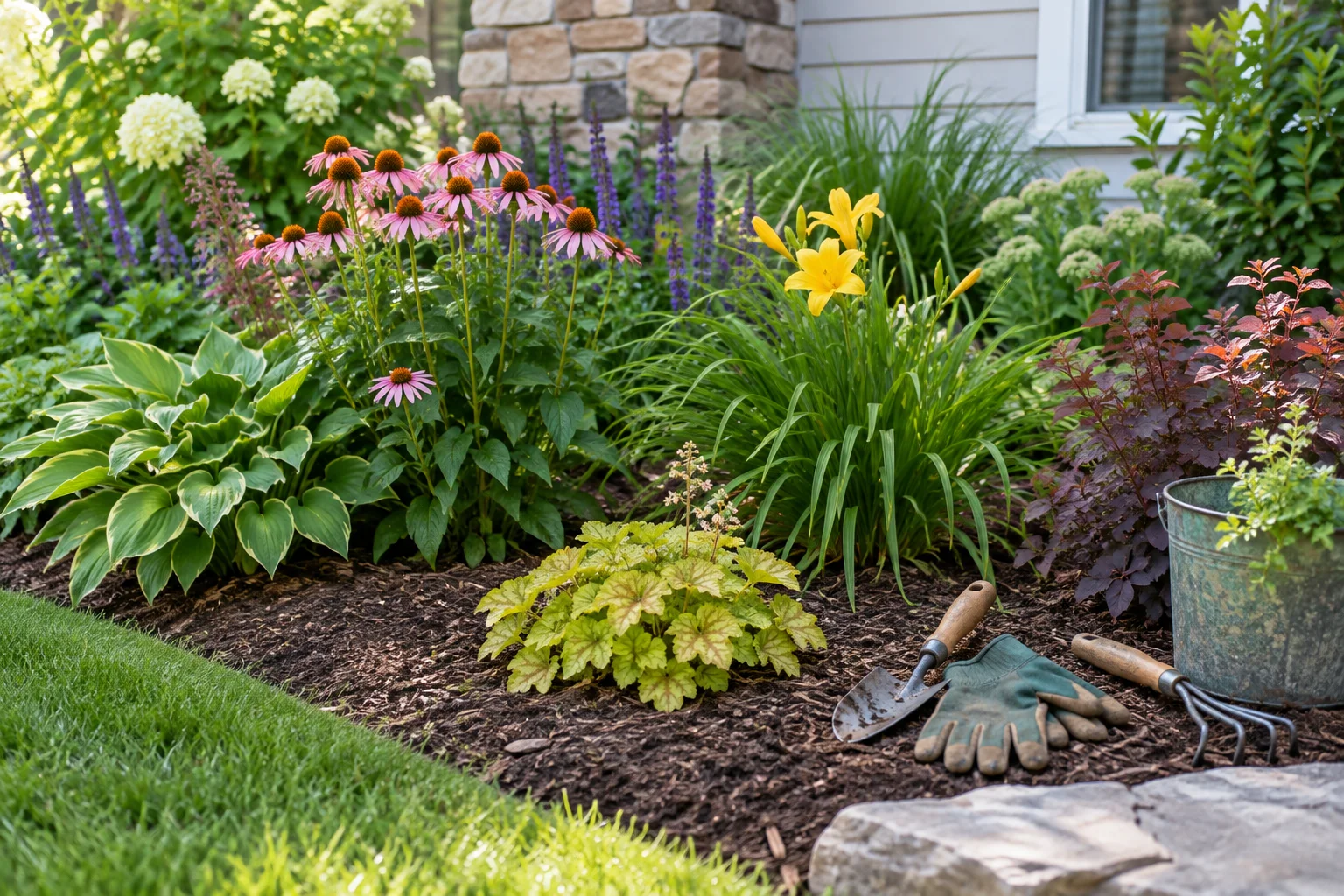
Early in the season, wanted plants can be difficult to recognise. Some perennial growth emerges later than neighbouring plants, and old stems may be the only visible clue to its location. Use labels, last year’s photographs or a simple sketch to show what should be retained.
Ask the crew to leave uncertain plants alone until they are identified. A temporary marker is a practical tool, especially in an inherited garden. It is better to return to one small area than to remove a plant you wanted because the entire bed was described as needing to be cleared.
Do not combine cleanup instructions with a blanket request to cut every shrub back. Pruning depends on plant identity, purpose and timing. Put hedge trimming or shrub assessment on a separate line in the brief. That makes it possible to discuss the right method instead of treating living growth as another category of debris.
Choose where leaves and stems can remain
A tidy spring yard does not have to be uniformly bare. Some material may be suitable to remain in planned garden areas, while paths and lawn need a different approach. Decide which areas you want closely maintained and which can retain a more natural appearance. Communicate the boundaries clearly.
The City of Ottawa provides guidance on reusing leaves and grass clippings in the landscape. Use local guidance and the needs of your planting to decide what can stay. Avoid moving suspicious or invasive plant material into another bed simply to reduce the volume that must leave the property.
If habitat value is important to you, include that preference in the scope. Ask for selective work and discuss the timing of nonessential disturbance with a knowledgeable provider. The instruction should identify actual areas and priorities, rather than assuming that either removing everything or leaving everything is the best choice everywhere.
Treat lawn concerns as observations first
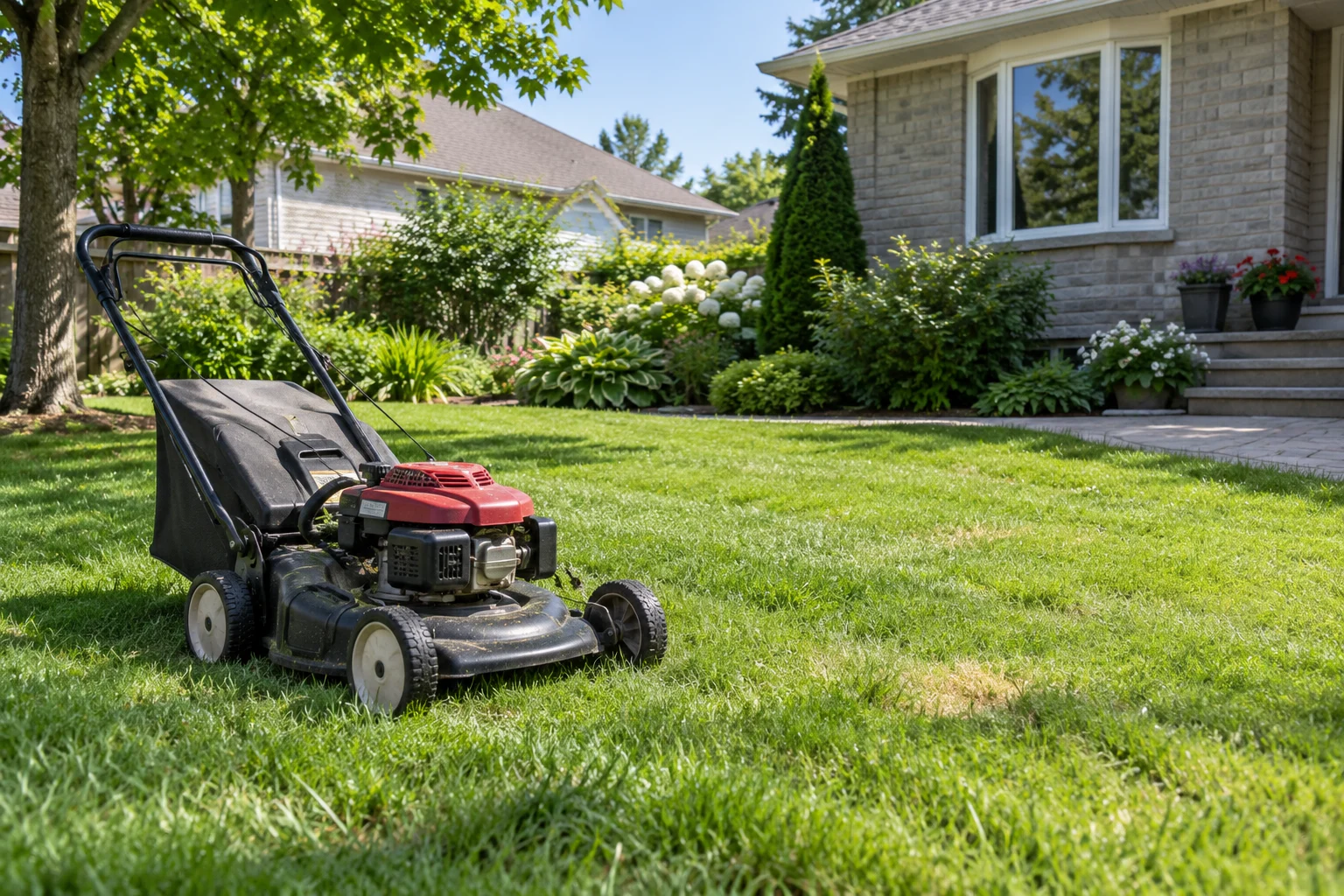
After snow disappears, lawns can show flattened grass, patches of different colour and material left by winter activity. Record the pattern before requesting a package of treatments. Note whether a problem follows a footpath, a snow pile, the edge of a driveway or a shaded area.
Ask which cleanup tasks are appropriate now and which concerns should be reassessed when growth resumes. A provider should be able to explain the purpose of proposed work. Aeration, dethatching and overseeding are distinct operations, not interchangeable ways of making a lawn look cared for.
Consider a narrow route between the back door and shed. If it becomes worn every year, adding seed may not resolve the repeated traffic. The useful spring decision could be to change the route or consider a suitable path. Cleanup is an opportunity to notice recurring patterns rather than automatically repeat the same repair.
Plan material handling before work starts
Estimate the kinds of material likely to be collected: leaves, small branches, litter, old pots or broken garden items. They may not all have the same disposal route. Keep ordinary yard material separate from sharp objects, unknown containers and other items that require different handling.
Ask whether the quote includes gathering, bagging, carrying to the collection point or taking material away. These are separate stages. A provider who leaves prepared bags at the curb is delivering a different service from one who removes everything immediately. Neither arrangement is inherently better, but you should know which one you are buying.
Check Ottawa’s current leaf and yard waste instructions and collection schedule if municipal pickup will be used. Collection arrangements can change, and not every container or mixed load is acceptable. Plan where prepared material will wait without blocking a sidewalk, entrance or the routes your household uses.
Make access and equipment needs visible
Photograph gates, stairs and narrow passages if someone is estimating remotely. State where a vehicle can park and whether the working area is reached through a shared driveway. Do not assume that equipment can travel through a space just because a person can walk through it comfortably.
Point out irrigation components, low lighting, cables and garden features concealed by leaves. Tell the provider about fragile edging, newly installed surfaces and anything that should not be moved. A spring cleanup often reveals things gradually, so agree that unexpected obstacles can be discussed before work continues around them.
Remove personal items when you can do so safely, but do not spend the day performing the same cleanup you are hiring someone to do. Focus your preparation on information, access and clear priorities. If moving furniture or heavy planters is part of the request, include it explicitly in the quoted scope.
Write a brief with visible limits
A useful brief describes the areas included and the intended finish. For example, you might request litter and branch collection from the whole property, leaves cleared from the front lawn, selective tidying of two marked beds and material prepared for collection. That is easier to estimate than “make the yard ready for spring.”
Add a short list of exclusions and decisions that require a conversation:
- Unknown plants remain until identified.
- Shrub pruning needs separate approval of the approach.
- Lawn treatments are discussed after the initial inspection.
- Heavy or unusual debris is photographed before removal is priced.
- Material destination and any additional hauling charge are confirmed.
These notes are not an invitation to complicate a simple job. They prevent misunderstandings around the few things that would be difficult to reverse. The provider can still work efficiently within the clearly agreed cleanup area.
Match the visit to your available time
If you will be home, arrange a short starting walkthrough and a final review. If you will be away, provide labelled photographs and a reliable way to answer questions. Decide what the provider should do if an uncertain plant or unexpected condition is discovered and you cannot respond immediately.
For an hourly arrangement, establish the priority order and the point at which the provider should check in. It may be more useful to complete the front and main access areas well than to spread a limited number of hours thinly across the entire property. Ask what a realistic stopping point looks like.
For a fixed scope, confirm how weather delays and incomplete areas will be handled. The original date should not become pressure to perform unsuitable work. A clear rescheduling arrangement helps everyone understand that the intended outcome includes sensible timing, not simply attendance on a calendar date.
Record the areas deliberately postponed
Keep a short note of work delayed because the soil was soft, plant identity was uncertain or growth had not resumed. Include a photograph and the reason for waiting. This gives the next visit a clear starting point. It also helps you distinguish a planned pause from an overlooked task when several weeks have passed and the garden looks quite different.
Review the result and build the next list
At handover, walk the included areas with the original brief. Check that paths are clear, agreed material has been gathered and retained plants remain marked where necessary. Ask about observations that deserve attention later. Keep that list separate from missed cleanup tasks so the discussion stays clear.
Take a few photographs from the same positions used before work. They can document what was completed and help you notice how the garden changes as it grows. Record any areas intentionally left alone and why. Without that note, a thoughtful decision to wait can be mistaken for forgotten work.
Your next list should be shorter and more informed. It might include identifying one shrub, reviewing a worn lawn route or planning a new bed. Completing the cleanup does not obligate you to proceed with every suggestion. Choose the next task based on need, budget and what you have learned about the property.
Keep the seasonal plan manageable
A spring visit should make future care easier to organise. Decide which routine tasks you will do and which you may want help with. Put reminders around actual needs, such as reviewing new growth or checking a previously wet area, rather than filling the calendar with treatments whose purpose is unclear.
For the broader picture, see planning your lawn and garden care. The mowing schedule guide helps connect the initial cleanup with recurring lawn work. Shared notes about edges, access and retained planting can keep those services consistent through the season.
Cody Mobile’s lawn and garden care page currently offers a waitlist for the planned division while local partners are recruited. The service is not operating yet. A clear spring brief will still be useful when comparing available providers or planning the work you want to handle yourself.