A door usually announces a problem through a small daily inconvenience: a shoulder needed to open it, a handle that must be lifted or a latch that only catches after a second try. Because the action is familiar, it is tempting to describe the job as a quick adjustment. The person assessing it needs more information. Similar symptoms can come from different parts of the door, frame, hardware or surrounding conditions.
Your most useful contribution is an accurate description of ordinary operation. You do not need to diagnose the hinge or prescribe a replacement. Explain what happens, when it happens and what has changed. That information helps a repair professional decide what to inspect, what parts may be relevant and whether the project belongs within a general handyman scope.
Identify the door and its role
Start with the location and type. Is it a bedroom door, an exterior entrance, a sliding closet door or the door between an attached garage and the house? Include whether it is wood, metal, glass or another material if you know. A photograph from each side gives useful context, particularly where the frame or floor is part of the complaint.
The door's role can affect who should assess it. A common area door, a condominium suite entrance or a door with fire related requirements should not be treated as an ordinary decorative interior door. Ask building management about the relevant requirements and approved providers before arranging modifications. Do not remove closers or change hardware merely to make operation easier.
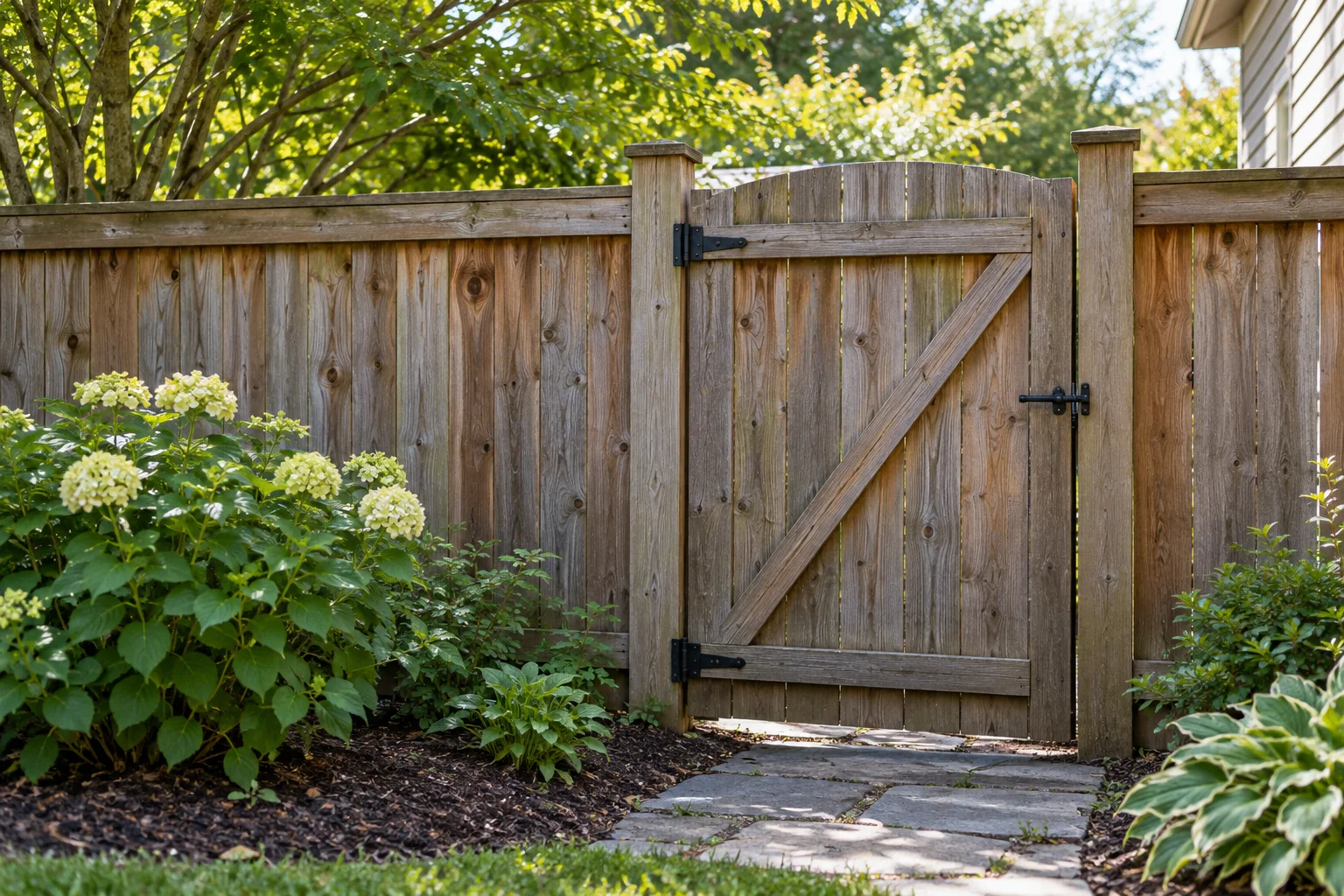
For an exterior entrance, describe security and weather concerns separately. A door may latch but fail to lock smoothly, or lock while leaving an uncomfortable draught. The repair brief should identify both experiences. Treating every complaint as a single hinge adjustment can leave an important part of the problem unaddressed.
If someone cannot enter or leave normally, or the home cannot be secured, communicate that immediately and seek appropriate prompt help. A routine maintenance request should not conceal an urgent access problem. Tell the provider whether the door is usable now rather than allowing them to infer urgency from the word sticking.
Describe one complete opening and closing cycle
Think through what happens during normal use. Does the handle turn normally? Does the edge contact the frame at one point? Does the door drag against the floor? Does it close but spring back? These are observations a provider can use. You do not need to force the movement to make the symptom more obvious.
Describe whether the problem occurs while opening, closing, latching or locking. Those actions involve different relationships. A latch that catches only when the door is pushed firmly is not the same complaint as a handle that will not retract the latch. Use plain words and avoid selecting a technical label that might send the conversation in the wrong direction.
Schlage's troubleshooting guidance distinguishes alignment issues from other lock problems and notes that having to lift a door to lock it can indicate the latch or bolt is contacting the strike incorrectly. That example illustrates the value of a precise symptom; it does not establish the cause of your particular door problem from a distance.
A short video may be helpful if it can be made during gentle, normal operation. Include sound when a scrape or rattle is part of the complaint. Stop if the action requires force or risks trapping someone. A written description is entirely adequate when recording the behaviour would create an unsafe situation.
Record timing and recent changes
Tell the provider whether the problem started suddenly or gradually. Mention a recent move, new flooring, repainting, hardware replacement or work near the opening. A door that began dragging after a thick rug was added has a different history from one that has become difficult every summer for years.
Seasonal patterns are worth noting without drawing conclusions. Explain whether the problem seems worse in humid weather, during a cold period or after rain. The provider can decide whether that pattern matters. Avoid assuming that seasonality proves the door simply needs material removed; a permanent alteration should follow assessment rather than a guess.
Describe earlier attempts to fix the problem. Include replaced parts and adjustments performed by previous owners if known. Old screw holes, mismatched hardware or layers of paint may affect the available repair options. A candid history is useful even when the earlier work did not succeed.
If other doors or nearby surfaces have also changed, mention that. A broader pattern may warrant investigation beyond one opening. This does not mean every sticking door indicates a serious building problem. It means the assessor should have the surrounding facts before deciding that a small hardware repair is sufficient.
Photograph the hardware without dismantling it
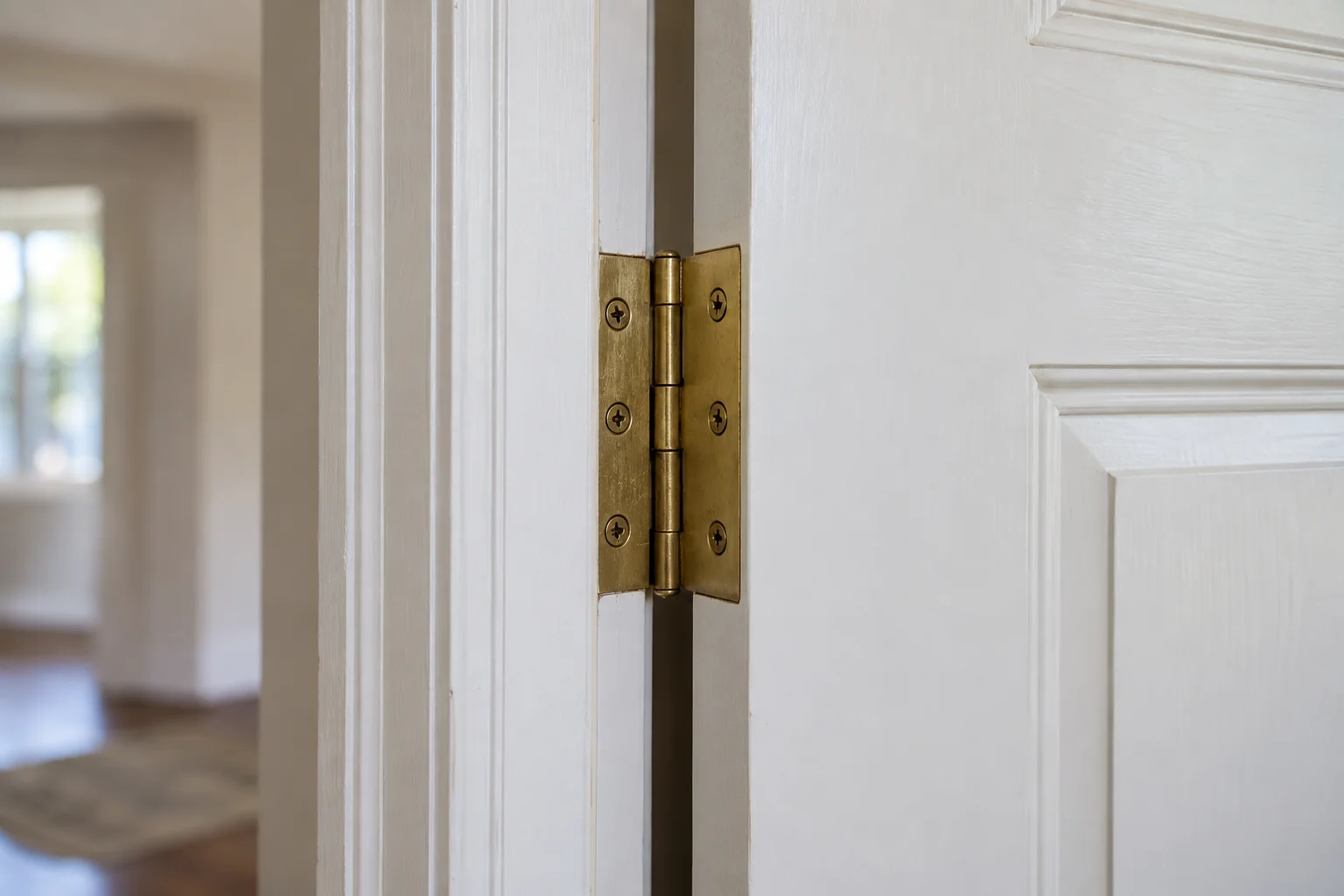
Provide clear images of the handle or knob, hinges, latch edge and frame area where the latch meets. Include a wide photograph with the door closed if possible. For a smart lock, record the model and describe any messages or sounds, but avoid sharing access codes, account credentials or other private information.
If you have original packaging or manuals, keep them available. Product identification helps the provider determine compatibility and access manufacturer instructions. A lock that looks similar to another model may use different components. Buying replacement parts based only on appearance can create a wasted visit.
Do not remove hardware just to photograph hidden pieces. A partly dismantled door may become harder to secure or operate before help arrives. Ask the provider what additional information they actually need. If an existing part has already come loose, store it safely and photograph it without trying to improvise a repair.
Describe visible damage such as a cracked frame, bent component or loose trim. Avoid covering it before assessment. A photograph of the original condition can be useful when discussing repair versus replacement, especially if the damaged area will change once work begins.
Distinguish adjustment, repair and replacement
An adjustment aims to improve the relationship between existing sound components. A repair addresses a damaged component or attachment. Replacement introduces a new component and may involve compatibility or finishing work. The right choice depends on the assessment; it should not be determined solely by the smallest sounding description.
Ask the provider to explain why an option is appropriate. If they recommend new hardware, ask whether the door and frame are suitable for it and what visible changes will remain. If they recommend modifying the door, ask how the finish and any relevant product requirements will be handled. You are entitled to understand the proposed result.
A complete door replacement can be a substantially different project from replacing a handle. It may include frame conditions, dimensions, trim and finishing. If the assessment points in that direction, request a separate scope rather than allowing a small repair quote to stretch indefinitely. The provider may recommend a door specialist.
Also consider the existing appearance. A new handle with a smaller backplate can reveal old paint or marks. A repaired frame may need painting beyond the small damaged spot. Discuss these details before selecting hardware so the final result does not arrive with an unexpected cosmetic project attached.
Give accessibility and everyday use a place in the brief
Explain who uses the door and what makes the current operation difficult. A person carrying groceries, a child opening a bedroom door and someone with limited hand strength may experience the same hardware differently. Describe the practical need without assuming that a specific replacement is the answer.
If the project is intended to address an accessibility requirement, seek appropriate design or specialist advice where needed. The repair provider should know whether you are asking for ordinary maintenance or a more considered change to access. Clear operation, appropriate hardware and the available opening all deserve attention in that conversation.
Think about the path around the door as well. Furniture, a coat rack or a floor mat can interfere with normal movement. Explain any layout constraints the provider cannot see in a close photograph. Sometimes the most useful improvement includes changing the surroundings after the mechanical issue has been assessed.
Avoid solving one inconvenience by creating another. A proposed stop location should not obstruct a walkway. A different handle should be checked against nearby cabinetry. A door that opens farther must still have room to move. These are planning questions you can raise without attempting the repair yourself.
Keep weather sealing and security in view
For an exterior door, note where you notice air movement, water marks or daylight. Do not assume that new weatherstripping alone will solve every problem. Alignment, product condition and the surrounding assembly may need consideration. A sealing product should not make the door so difficult to close that ordinary operation suffers.
If water is entering, explain the conditions and seek assessment of the source. Surface sealing without understanding the route may leave the actual issue unresolved. Include photographs taken after the event if available, and distinguish active moisture from an older mark. This information helps the provider decide whether another trade is needed.
For lock work, identify the desired outcome: smoother operation, replacement after lost keys, or a different access arrangement. A locksmith may be the appropriate provider for some of these needs. Do not bundle security changes into a general repair request without confirming the provider's scope and competence.
When smart hardware is involved, separate the physical installation from network and account setup. Decide who will configure accounts and retain control of credentials. Ask how manual operation and manufacturer support will be explained at handover. A successful mechanical repair should leave you knowing how to use the product normally.
Make the appointment scope explicit
A clear request identifies each door, its symptoms and the desired result. Number doors when there is more than one, particularly if several have similar problems. Include which work is a priority and which concerns can wait for assessment. This helps the provider plan time without assuming every door needs the same treatment.
Ask whether the visit is for diagnosis, agreed repair or both. Some parts cannot be identified until the door is inspected. Discuss what happens if a component must be ordered or a specialist is recommended. A return visit may be reasonable, but the arrangement should be understood before the first appointment.
A useful door repair message includes these details:
- Door location, type and whether it currently opens and secures normally.
- The exact action that causes difficulty and how long it has happened.
- Seasonal patterns, recent changes and previous repairs.
- Photographs, model information and building permission requirements.
- Finish expectations and any owner supplied replacement parts.
- Access deadlines and the plan for securing the home during work.
If you are buying hardware yourself, ask the provider to confirm compatibility before ordering. Agree who is responsible for exchanges if an owner selected product does not fit. Keep receipts and packaging. An attractive finish is only one part of a suitable purchase; the dimensions and intended application matter too.
Prepare the space without altering the evidence
Clear the immediate area on both sides of the door. Move shoes, baskets and small furniture so the provider can observe full movement. Discuss heavy items in advance. Keep pets in a separate secure area, especially when an exterior door may remain open during assessment or repair.
Make arrangements for household access. If the main entrance is being worked on, identify another usable route where possible and tell other household members what to expect. For a bedroom or bathroom, consider privacy and the time the room may be unavailable. These practical details make a small repair less disruptive.
Leave the existing condition visible. Do not lubricate, tighten or trim things immediately before the appointment unless the provider has specifically advised an appropriate action. A changed symptom can make assessment harder, and an unsuitable product can introduce another problem. Simply gather the information and keep the area accessible.
Older painted components may require assessment before sanding or other disturbance. Health Canada's lead paint guidance is relevant to that planning. Tell the provider about the home's age and known coatings, and let them explain the precautions appropriate to the proposed work. A small repair does not automatically make uncertain materials irrelevant.
Check the result through normal use
At handover, ask the provider to demonstrate the repaired operation and then try normal use yourself. Check opening, closing, latching and locking as applicable. Look at clearances and finish work against the agreed scope. Do not use force or improvised stress tests to judge the repair.
Ask what maintenance the specific hardware requires and keep the product instructions. Record any parts replaced and any unresolved observations. If the provider recommends monitoring a seasonal issue or arranging further assessment, write down what should trigger that next step rather than relying on a vague memory.
For several household jobs, the handyman visit planning article helps organize priorities and dependencies. If new storage is contributing to the room layout, the furniture assembly guide covers useful preparation. Cody's handyman page is currently a waitlist while a partner is recruited. Use it to express interest, and seek appropriate available help for urgent access or security concerns. A precise account of the symptom will make that conversation more useful wherever you arrange the assessment.